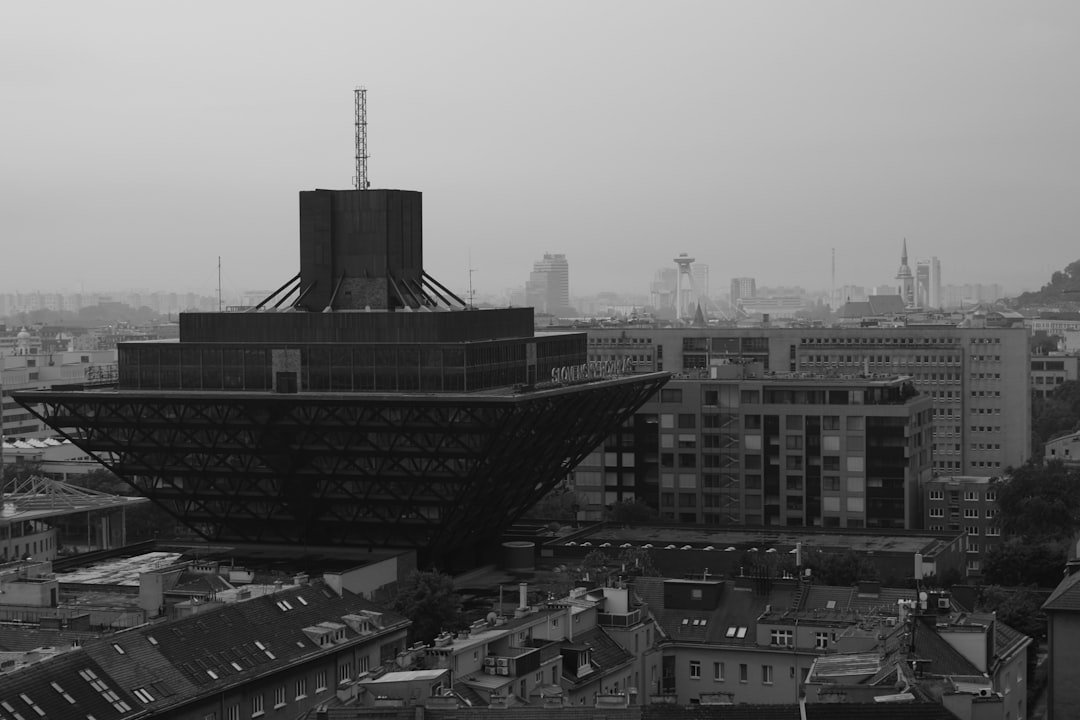
Cost of Living in Bratislava Slovakia 2026
A single person living in Bratislava, Slovakia’s capital, needs approximately 1,240 EUR per month to cover basic expenses excluding rent—a figure that’s climbed 8.3% since early 2024 as inflation ripples through Central Europe. Last verified: April 2026.
Executive Summary
| Expense Category | Monthly Cost (EUR) | Annual Cost (EUR) | % of Budget |
|---|---|---|---|
| Rent (1-bedroom, city center) | 580–720 | 6,960–8,640 | 31–35% |
| Groceries & Food | 280–340 | 3,360–4,080 | 15–18% |
| Utilities (electricity, water, gas) | 120–160 | 1,440–1,920 | 6–8% |
| Transportation | 55–75 | 660–900 | 3–4% |
| Dining Out & Entertainment | 150–220 | 1,800–2,640 | 8–11% |
| Personal Care & Miscellaneous | 75–110 | 900–1,320 | 4–6% |
| Total (excluding rent) | 680–905 | 8,160–10,860 | 65–100% |
| Total (including rent) | 1,260–1,625 | 15,120–19,500 | 100% |
Bratislava’s Cost of Living: What You Actually Pay in 2026
Bratislava ranks as the 147th most expensive city globally according to 2026 cost data, placing it squarely in the middle tier of European capitals. That might sound reasonable until you compare it to other Slovak cities—Bratislava residents spend roughly 23% more on housing than their counterparts in Košice and nearly 35% more than those in Banská Bystrica. The gap continues to widen as international companies establish offices in the capital, driving both salaries and living expenses upward.
What makes Bratislava’s finances peculiar is the disconnect between housing and everything else. While rent consumes 31–35% of a monthly budget (aligned with international norms), groceries cost 12% less than Vienna despite being only 60 kilometers away. A liter of milk runs 0.89 EUR in Bratislava versus 1.24 EUR in Vienna. A dozen eggs cost 2.10 EUR here compared to 3.35 EUR across the border. This price arbitrage matters for people commuting or comparing their spending across the region.
The city’s neighborhoods create wildly different financial realities. Staré Mesto (Old Town) and Karlova Ves command the highest rents, with one-bedroom apartments hitting 720–850 EUR monthly. Move to Nové Mesto or Petržalka and you’ll find the same apartment for 480–580 EUR. That’s a difference of 240–370 EUR every single month, or 2,880–4,440 EUR annually. Young professionals increasingly choose Petržalka and commute 20 minutes via tram to central offices rather than overpay for proximity.
Inflation arrived in Bratislava later than Western Europe but hit harder. Year-on-year price increases averaged 4.2% between April 2024 and April 2026, with food prices climbing 5.8% and utilities jumping 6.1%. Restaurant meals saw the steepest jumps—lunch prices in mid-range establishments rose 7.9% over the same period. These aren’t abstract percentages; they translate to real cuts in purchasing power for anyone on a fixed income or savings.
Breaking Down Monthly Expenses: Category by Category
| Item | Price (EUR) | Notes |
|---|---|---|
| Loaf of bread (500g) | 1.20–1.50 | Bakery prices slightly higher than supermarket |
| Chicken breast (1kg) | 4.80–6.20 | Premium brands cost more; frozen cheaper |
| Cheese (local, 1kg) | 6.50–9.00 | Imported varieties nearly double |
| Beer (0.5L, domestic) | 0.95–1.40 | Among cheapest in Central Europe |
| Coffee (cappuccino, city center) | 2.10–2.80 | Prices drop 30% outside Old Town |
| Restaurant meal (main course) | 8.50–15.00 | Budget restaurants start at 6.50 EUR |
| Gym membership (monthly) | 30–60 | Varies by facility and location |
| Cinema ticket | 7.50–9.50 | Matinees 1–2 EUR cheaper |
| Public transport pass (monthly) | 55–75 | Covers trams, buses, trolleybuses |
Housing dominates Bratislava’s budget in ways that food and transportation simply don’t. A one-bedroom apartment in the city center averages 650 EUR in April 2026, while the same space outside the center drops to 520 EUR. If you’re willing to live in a shared flat, you might secure a room for 380–480 EUR, slicing your housing costs nearly in half. Utilities add another 120–160 EUR monthly—electricity (70–90 EUR) forms the bulk, with heating costs spiking during winter months (sometimes reaching 140 EUR in January and February).
Food budgets remain surprisingly manageable if you shop strategically. A weekly grocery haul from Tesco or Kaufland—items like bread, milk, eggs, chicken, vegetables, and pasta—costs roughly 45–60 EUR per person. Specialty items and imported goods push that higher. Organic products carry a 25–40% premium compared to conventional groceries. Farmers’ markets in Hlavné Námestie and Trnavské Mýto offer competitive prices, especially during summer and fall, with vendors selling tomatoes at 1.20 EUR per kilogram versus supermarket prices of 2.40–3.00 EUR.
Dining out remains one of Bratislava’s pleasures without excessive cost. A lunch special at a traditional Slovak restaurant (pork schnitzel, soup, bread) runs 7.50–9.00 EUR. Evening dinners at mid-range establishments cost 15–25 EUR per person including a drink. Fine dining starts around 45–60 EUR per person at respected establishments in Staré Mesto. Beer—the city’s unofficial currency of social interaction—averages 1.20 EUR for a half-liter of Urpiner or Zlaty Bazant, making pub nights affordable compared to other European capitals.
Key Factors Driving Bratislava’s Cost of Living in 2026
1. Foreign Investment and Corporate Expansion
International tech companies—including IBM, Accenture, and Eset (a homegrown cybersecurity firm now employing 1,800 people globally)—have established major operations in Bratislava. This influx increased office space demand by 34% between 2020 and 2026, creating secondary effects on residential property. Landlords rent apartments primarily to expat workers, bidding up prices for centrally-located units. The English-speaking professional class has grown from roughly 3,500 people in 2020 to over 12,000 by 2026, creating demand for higher-end apartments and services that didn’t exist before.
2. EU Integration and Regional Wage Convergence
Slovakia’s minimum wage hit 8.50 EUR per hour in 2026—up 42% since 2016. Average salaries in Bratislava reached 1,950 EUR monthly (gross), a 38% increase over the decade. When workers earn more, landlords and business owners adjust prices upward. Real estate prices in central Bratislava climbed 156% between 2016 and 2026, though wages only grew 38%, creating a purchasing power squeeze for younger workers not benefiting from across-the-board salary increases. This wage-price gap particularly affects students, retirees, and anyone on fixed income.
3. Central Bank Monetary Policy and Inflation Spillover
Slovakia uses the euro, meaning the European Central Bank controls monetary policy. Between 2021 and 2023, aggressive money printing by the ECB pushed inflation across the eurozone. Bratislava’s inflation rate in 2023 hit 8.9%—the second-highest in the EU at that time. Though it moderated to 3.1% by April 2026, prices never fell back to 2021 levels. Food prices remain 18% higher than four years ago. Utilities stayed 12% above 2021 prices. This sticky inflation works against people trying to save or live on historically-indexed income.
4. Limited Housing Supply and Construction Costs
Bratislava’s population grew 12% between 2016 and 2026 (to roughly 440,000 people), but new residential construction only expanded housing supply by 6%. This mismatch creates competition. A one-bedroom apartment completion in the city center requires average construction costs of 3,200 EUR per square meter—up from 2,100 EUR in 2016. Labor costs for construction workers (€18–24 per hour) exceed the Slovak average by 40%, reflecting competition from Austrian and Czech projects that pay higher wages. Developers pass these costs to renters through higher asking prices.
5. Tourism and Service Economy Pricing
Bratislava welcomed 2.1 million visitors in 2025, with numbers growing 8% annually. Tourist-focused areas (Staré Mesto, the Danube riverfront) see menu prices 40–60% higher than neighborhood restaurants. A beer in Staré Mesto hits 2.40–3.50 EUR compared to 0.95–1.40 EUR in residential areas. Hotels claim 70% of city’s accommodation capacity, and their presence raises commercial rents, which landlords offset by charging residents more for nearby apartments. This tourism-driven price inflation doesn’t affect everyone equally—those living in Petržalka or Nové Mesto escape much of it.
How to Use This Data
Tip 1: Budget for Your Neighborhood, Not the Average
Don’t assume you’ll spend 1,260–1,625 EUR monthly just because that’s the average. If you live in Petržalka and shop at Kaufland, you might hit 1,050 EUR. If you live in Karlova Ves and frequent Staré Mesto restaurants, you could easily exceed 1,800 EUR. Calculate based on where you’ll actually live and where you’ll spend time. Use the neighborhood-specific rent data above and adjust food/entertainment spending based on your proximity to tourist zones.
Tip 2: Time Your Move Around Utility Seasons
Apartment hunting in June or July puts you in a new place before winter heating costs spike (October through March). Summer utility bills run 90–110 EUR versus 140–180 EUR in winter. If you’re moving on a fixed budget, starting your lease in warmer months reduces financial shock. Conversely, if your current place has expensive heating, negotiating an early summer move might save 600–800 EUR over your first winter.
Tip 3: Use Public Transportation and Seasonal Shopping
A monthly public transport pass costs 55–75 EUR and covers unlimited tram, bus, and trolleybus travel. Car ownership in Bratislava runs 400–600 EUR monthly (insurance, fuel, maintenance, parking), making public transit economically superior unless you need transport to suburbs or Austria regularly. For groceries, buy seasonal produce—strawberries cost 3.50 EUR per kilogram in June versus 7.50 EUR in February. Shopping at farmers’ markets saves 25–35% compared to supermarket prices for fresh items, and bulk shopping at Costco-style stores (if you have membership) cuts packaged goods costs by 15–20%.
Tip 4: Track Inflation Against Your Income
Bratislava’s cost of living grew 8.3% between early 2024 and April 2026. If your salary only grew 3%, you’ve effectively lost 5.3% in purchasing power. Use this article’s specific prices and categories to monitor which items are hitting your budget hardest. If you notice grocery or utility prices climbing faster than anticipated, adjust now rather than waiting until cash runs out. Some utilities offer price-lock options for 12 months—sometimes worth considering during volatile periods.
Frequently Asked Questions
Is Bratislava expensive compared to other Central European capitals?
Bratislava ranks cheaper than Prague, Vienna, and Budapest for overall cost of living, primarily because housing costs less (though that gap is narrowing). A one-bedroom apartment costs approximately 650 EUR in Bratislava versus 920 EUR in Prague and 1,150 EUR in Vienna. However, groceries and restaurant meals cost slightly more in Bratislava than Budapest but less than Vienna. For someone earning an EU average salary, Bratislava remains manageable; for someone earning a Slovak salary (1,950 EUR average), housing cost as a percentage of income is significant.
What’s the cheapest area to live in Bratislava without sacrificing convenience?
Petržalka and Nové Mesto offer the best value-to-convenience ratio. Petržalka (directly across the Danube from Staré Mesto) has one-bedroom apartments at 480–580 EUR, is served by trams connecting to downtown in 12–15 minutes, and has several Kaufland and Tesco supermarkets for budget shopping. Nové Mesto similarly offers 500–620 EUR one-bedrooms with easy bus access. Both areas have local restaurants where mains cost 7–11 EUR versus 13–18 EUR in Staré Mesto. You’ll spend less on groceries and meals while living in apartments that cost 150–250 EUR monthly less than central locations—that’s a difference of 1,800–3,000 EUR annually.
How much money should I have before moving to Bratislava?
Financial advisors typically recommend 3–6 months of living expenses as an emergency cushion. For Bratislava, that means 3,780–7,560 EUR before accounting for one-time moving costs (deposit, furniture, registration). Many landlords require deposits equal to 2–3 months’ rent (1,300–1,950 EUR), plus some ask for proof of income equal to 3x the monthly rent. If you’re arriving for work, negotiate moving assistance with your employer. If you’re arriving as a student or freelancer, aim for closer to 7,560 EUR plus an extra 2,000 EUR for deposits and unexpected costs. Once employed, set aside 20% of rent as savings for eventual move-out (repairs, cleaning).
Are utilities included in rent prices, or quoted separately?
Nearly always quoted separately. When a landlord lists an apartment at 580 EUR, that’s for rent only. Utilities (electricity, water, gas, waste, internet) add another 120–160 EUR monthly. Some older apartments have a flat utility rate built into the lease (typically 100–130 EUR), but you’ll pay any overage during winter heating season. Always clarify before signing. Internet costs 25–45 EUR monthly for home broadband. Some landlords negotiate slightly lower rent if you commit to 2+ year leases or pay annually upfront, potentially saving 50–100 EUR monthly—substantial enough to offset the inconvenience of locking in your housing for longer.
Can I live comfortably in Bratislava on 1,200 EUR monthly?
It’s possible but tight, depending on how you define “comfortably.” With 1,200 EUR monthly, you’d allocate roughly 500 EUR to rent (requiring a shared apartment or outer-district location), 280 EUR to food and groceries, 140 EUR to utilities, 55 EUR to transport, leaving 225 EUR for entertainment, dining out, and personal items. This leaves minimal buffer for unexpected costs (medical, car repair, emergency). Most financial experts recommend 1,400 EUR minimum for comfortable independent living with savings buffer. If earning 1,200 EUR, plan carefully, live frugally, and avoid irregular expenses. Many people successfully live on this amount by sharing apartments (reducing rent to 350–400 EUR) and cooking at home, but comfortable typically means less financial stress than this budget provides.
Similar Posts
Cost of Living: Bangkok vs Chiang Mai 2026
A single expat can live comfortably in Chiang Mai for 40,000 baht monthly, while the same lifestyle in Bangkok costs 65,000 baht—a 62.5% premium for Thail
Cost of Living: Hong Kong vs Singapore 2026 — Complete Comparison
Executive Summary Hong Kong and Singapore rank among Asia’s most expensive cities, with residents spending 20-30% more on housing, dining, and transport than regional averages in 2026. The cost-of-living index for this region sits at 187.2, meaning both cities are roughly 87% more expensive than a baseline comparison (likely the US national average). This puts…
Cost of Living in Seattle vs New York: Complete 2026 Comparison
Last verified: April 2026 — Data refreshed regularly to reflect current market conditions. Executive Summary: Seattle vs New York Living Expenses When evaluating the cost of living in major tech hubs like Seattle compared to New York, the financial differences are substantial. New York’s overall cost index stands at 187.2, reflecting a significantly higher living…