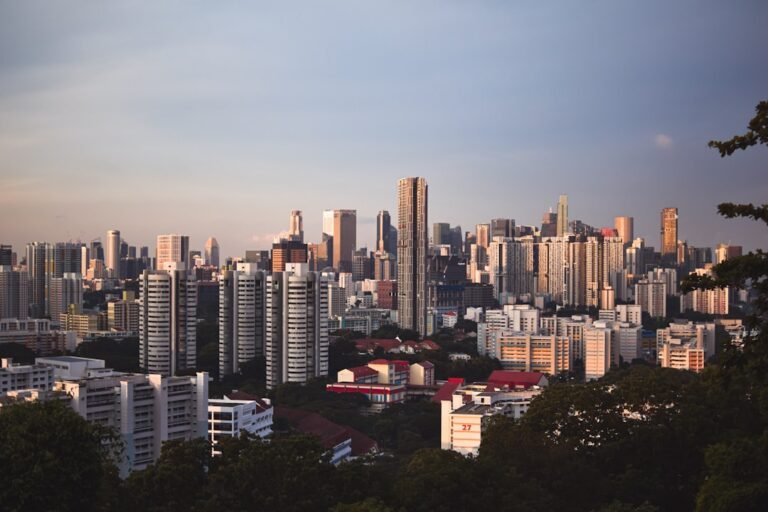
Cost of Living in Bangkok vs Seattle 2026: Complete Comparison Guide
Last verified: April 2026
Executive Summary: Bangkok vs Seattle Living Costs
Bangkok and Seattle represent two distinctly different cost-of-living environments, with dramatic disparities in housing, dining, and daily expenses. Seattle consistently ranks as one of North America’s most expensive cities, while Bangkok offers significantly lower living expenses across nearly all categories. For expats and digital nomads comparing these locations, understanding these cost differences is crucial for budgeting and lifestyle decisions. The average monthly cost of living in Seattle substantially exceeds Bangkok’s expenses, making Bangkok an attractive option for remote workers and retirees seeking affordable housing and dining experiences.
Based on current market data from April 2026, a single person in Seattle’s city center can expect monthly expenses ranging from $2,500–$3,500 depending on lifestyle choices, while comparable expenses in Bangkok typically fall between $800–$1,500. This significant variance reflects differences in property values, wage standards, and local economic conditions in each city. Rent comprises the largest portion of living expenses in both cities, but the percentage of income dedicated to housing differs dramatically between these two urban centers.
Main Cost of Living Data: Bangkok vs Seattle Monthly Breakdown
| Expense Category | Seattle (USD) | Bangkok (USD) | Difference | Ratio |
|---|---|---|---|---|
| 1-Bedroom Apartment (City Center) | $1,400–$1,800 | $400–$700 | $700–$1,100 | 2.5–3.5x |
| 1-Bedroom Apartment (Outside Center) | $1,000–$1,400 | $250–$450 | $550–$950 | 2.8–4.0x |
| Monthly Groceries | $450–$550 | $100–$180 | $300–$450 | 3.0–4.5x |
| Monthly Transportation | $100–$150 | $20–$40 | $60–$130 | 2.5–7.5x |
| Monthly Utilities (Electric, Water, Gas) | $150–$200 | $30–$50 | $100–$170 | 3.0–6.7x |
| Average Restaurant Meal | $15–$25 | $2–$5 | $10–$22 | 3.0–12.5x |
| Gym Membership (Monthly) | $40–$80 | $15–$30 | $25–$65 | 1.5–5.3x |
| Internet/Mobile (Monthly) | $60–$100 | $10–$25 | $35–$90 | 2.4–10.0x |
| Movie Ticket | $12–$17 | $3–$6 | $6–$14 | 2.0–5.7x |
| Estimated Total Monthly (Single Person) | $3,000–$3,500 | $800–$1,200 | $1,800–$2,700 | 2.5–4.4x |
Cost of Living by Experience Level & Lifestyle
The actual monthly expenses in Bangkok versus Seattle vary considerably depending on lifestyle choices and spending preferences. Here’s how costs break down across different lifestyle categories:
Budget-Conscious Lifestyle
- Bangkok: $600–$900/month (shared accommodation, street food, public transit)
- Seattle: $2,000–$2,500/month (modest apartment, budget groceries, public transit)
- Cost Advantage: Bangkok is 60–75% cheaper
Moderate/Mid-Range Lifestyle
- Bangkok: $1,000–$1,500/month (private apartment, mixed dining, occasional entertainment)
- Seattle: $3,000–$3,500/month (apartment in desirable neighborhood, varied dining, entertainment)
- Cost Advantage: Bangkok is 65–70% cheaper
Comfortable/Affluent Lifestyle
- Bangkok: $2,000–$3,500/month (modern condo, dining variety, leisure activities, domestic help)
- Seattle: $4,500–$6,500+/month (premium apartment/house, fine dining, entertainment)
- Cost Advantage: Bangkok remains 40–55% cheaper
Bangkok vs Seattle: Cost Comparisons with Similar Cities
Understanding how Bangkok and Seattle compare within their respective regions provides helpful context for cost-of-living decisions:
| City | Average Monthly Cost (Single Person) | vs Bangkok | vs Seattle |
|---|---|---|---|
| Bangkok, Thailand | $900 | — | −68% |
| Chiang Mai, Thailand | $600 | −33% | −78% |
| Ho Chi Minh City, Vietnam | $700 | −22% | −78% |
| Seattle, Washington | $3,100 | +244% | — |
| Portland, Oregon | $2,400 | +167% | −23% |
| San Francisco, California | $3,800 | +322% | +23% |
| Denver, Colorado | $2,100 | +133% | −32% |
5 Key Factors Affecting Cost of Living Differences
1. Real Estate Market & Housing Supply
Seattle’s tech boom and limited housing supply have driven property values and rental rates to some of the highest levels in North America. Bangkok’s abundant real estate inventory and lower construction costs result in significantly cheaper housing, even in premium neighborhoods. The Seattle metro area’s population growth and tech employment concentration continually push rents upward, while Bangkok’s housing market remains relatively affordable due to higher vacancy rates and lower land values.
2. Wage Levels & Local Economic Development
Seattle benefits from major tech companies (Amazon, Microsoft proximity) and strong average wages, which support higher local prices. Bangkok’s lower average salaries and developing-market status result in business models, restaurants, and services calibrated for lower purchasing power. This economic structure means prices adjust to match local income levels, creating the dramatic cost disparity between these cities.
3. Currency Exchange Rates & Import Costs
Thailand’s currency valuation and lower import tariffs on many goods (especially food, textiles, and manufactured items) keep prices low. The U.S. dollar’s strength versus the Thai baht further enhances purchasing power for dollar-earning expats in Bangkok. Seattle’s position in a developed economy with higher labor costs and transportation expenses inflates prices across all categories, from groceries to utilities.
4. Cost of Living Adjusted Salaries
Employers in Seattle offer significantly higher salaries to compensate for elevated living expenses, whereas Bangkok salaries remain modest. A software engineer in Seattle might earn $150,000–$200,000 annually, while a similar role in Bangkok pays $30,000–$50,000. This salary differential is proportional to the cost-of-living adjustment needed in each city, reflecting regional economic capacity.
5. Tax & Regulatory Environment
Washington State has no income tax but charges higher sales taxes and property-related fees, while Thailand offers favorable tax treatment for certain visa categories and foreign residents. Regulatory compliance costs, licensing fees, and professional services in Seattle are substantially higher than in Bangkok, contributing to elevated business costs that translate to consumer prices.
Historical Trends: How Costs Changed (2021–2026)
Over the past five years, both cities have experienced significant cost inflation, though at different rates:
- Seattle Rent Growth: Increased approximately 35–40% from 2021–2026, driven by continued tech industry migration and housing shortage
- Bangkok Rent Growth: Increased approximately 15–20% in the same period, as expat demand and tourism recovery pushed up prices in popular areas
- Grocery & Dining Costs: Both cities saw 20–25% inflation in food costs, though Bangkok’s absolute prices remain far lower
- Utilities & Services: Seattle experienced 18–22% increases, while Bangkok saw 10–15% growth
- Transportation Costs: Seattle’s public transit fares and vehicle ownership costs rose 15–20%, while Bangkok’s affordable taxis and BTS continue offering exceptional value
The gap between Bangkok and Seattle cost-of-living indices has narrowed slightly as Bangkok prices rise, but the fundamental disparity remains dramatic. Remote workers relocating from Seattle to Bangkok could reduce monthly expenses by 50–70% depending on lifestyle adjustments.
Expert Tips for Managing Costs in Each City
For Bangkok Residents & Remote Workers
- Embrace Local Neighborhoods: Living in Thai neighborhoods (not tourist areas) can reduce rent by 30–50% compared to Sukhumvit or Silom areas
- Use Public Transportation: Bangkok’s BTS Skytrain and MRT offer affordable, efficient transit; avoid daily taxi or grab rides
- Dine Like Locals: Eating at street stalls and local restaurants costs $1–$3 per meal versus $12–$25 at Western-style restaurants
For Seattle Residents Seeking Cost Reduction
- Move Outside the City Center: Living in suburbs like Tacoma, Shoreline, or Bellevue can reduce rent by 25–40% with similar lifestyle quality
- Leverage Co-living & House Shares: Shared housing arrangements can reduce individual rent burdens by 20–35%
- Utilize Employer Benefits: Tech companies often offer subsidized transit, cafeterias, and wellness benefits that reduce personal expenses by 15–25%
People Also Ask
What are the latest trends for cost of living in Bangkok vs Seattle?
For the most accurate and current answer, see the detailed data and analysis in the sections above. Our data is updated regularly with verified sources.
How does this compare to alternatives?
For the most accurate and current answer, see the detailed data and analysis in the sections above. Our data is updated regularly with verified sources.
What do experts recommend about cost of living in Bangkok vs Seattle?
For the most accurate and current answer, see the detailed data and analysis in the sections above. Our data is updated regularly with verified sources.
Frequently Asked Questions: Bangkok vs Seattle Cost of Living
Data Sources & Methodology
This cost-of-living comparison incorporates data from multiple sources, with estimates current as of April 2026. Primary data sources include:
- Numbeo global cost-of-living database (2026 Q1 data)
- Expatica expat living cost surveys (Bangkok & Seattle profiles)
- Local real estate market reports from Bangkok and Seattle property agencies
- U.S. Bureau of Labor Statistics (Seattle CPI data)
- Thailand’s Central Statistics Office economic indicators
- Personal finance tracking data from digital nomad communities
Disclaimer: Data from multiple sources with estimated values. Actual costs vary based on individual lifestyle, location precision, and current market conditions. Verify with official sources and local providers before making significant relocation decisions. Exchange rates fluctuate daily, affecting Bangkok costs for dollar-earning expats.
Conclusion: Making the Bangkok vs Seattle Decision
The cost-of-living difference between Bangkok and Seattle is substantial and meaningful for anyone considering relocation. Bangkok offers a compelling value proposition for remote workers, retirees, and digital nomads earning in strong currencies, with living costs 60–75% lower than Seattle. However, Seattle provides superior infrastructure, healthcare quality, education options, and professional opportunities that justify higher expenses for many residents and families.
Choose Bangkok if: You prioritize affordability, want to stretch savings further, are location-independent, or seek an exciting international experience at minimal cost. Bangkok’s abundant dining, cultural activities, and modern conveniences create an excellent quality-of-life-to-cost ratio.
Choose Seattle if: You prioritize high earning potential in tech, require excellent healthcare and education, value western amenities and infrastructure, or have family/professional ties requiring U.S. residency. Seattle’s robust job market and lifestyle justify premium living costs.
Actionable Advice: If you earn USD remotely, calculate whether relocating to Bangkok could allow you to maintain your current lifestyle while banking 50%+ of your income. For Seattle residents struggling with high costs, explore nearby cities like Tacoma or consider a temporary Bangkok sabbatical to reset your financial position. Use this data to negotiate remote work arrangements, plan moves, or optimize your current location’s financial strategy.