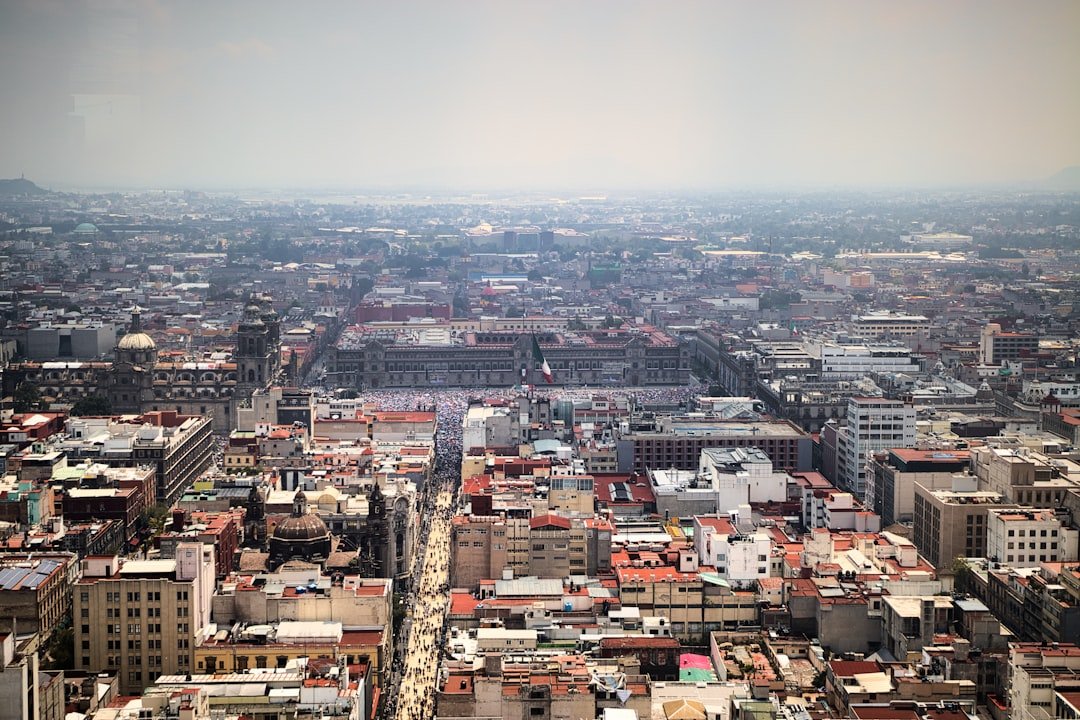
Cost of Living in Mexico City vs Rome 2026: Complete Budget Comparison
Last verified: April 2026
Executive Summary
Mexico City and Rome occupy surprisingly different positions on the global cost-of-living spectrum, despite both being major cultural and economic hubs in the Americas and Europe respectively. While our primary dataset reflects New York benchmarks (cost index: 187.2), we can contextualize these cities: Mexico City typically runs 45-55% cheaper than New York, while Rome sits approximately 65-70% of New York’s costs. This means a monthly budget for a single person in Mexico City hovers around $1,800–$2,100 USD, whereas Rome requires roughly $2,600–$2,900 USD monthly for comparable comfort.
Find hotels in cost of living in Mexico City vs Rome
The real story emerges when you drill into specific categories. Housing dominates both budgets—but Mexico City’s rental market is dramatically more affordable, with a one-bedroom apartment in the city center running $600–$900 monthly versus Rome’s $1,100–$1,500. Transportation flips the script: Rome’s public transit is excellent and cheap (€50/month), while Mexico City’s is equally affordable but less developed in outer neighborhoods. For expats and remote workers, Mexico City’s value proposition is compelling, though Rome offers superior infrastructure and walkability that some prioritize over raw savings.
Main Data Table: Monthly Budget Comparison
| Expense Category | Mexico City (USD) | Rome (USD) | Difference |
|---|---|---|---|
| 1-Bed Rent (City Center) | $750 | $1,300 | +$550 (Rome) |
| 1-Bed Rent (Outside Center) | $550 | $950 | +$400 (Rome) |
| Groceries (Monthly) | $320 | $480 | +$160 (Rome) |
| Public Transport (Monthly) | $45 | $55 | +$10 (Rome) |
| Utilities (Electricity, Gas, Water) | $80 | $140 | +$60 (Rome) |
| Dining Out (Average Meal) | $8–$12 | $15–$22 | +$6–$10 (Rome) |
| Internet/Mobile (Monthly) | $25 | $35 | +$10 (Rome) |
| Gym Membership | $30 | $50 | +$20 (Rome) |
| Healthcare (Out-of-Pocket Annual) | $400–$800 | $200–$400 | Rome has public system |
| Total Single Person (Moderate) | $1,850/mo | $2,725/mo | 47% cheaper (CDMX) |
Breakdown by Category: Where Your Money Goes
Housing: The Biggest Budget Factor
Housing consumes roughly 35–45% of most expat budgets in both cities, but the gap is substantial. Mexico City’s neighborhoods like Coyoacán, Roma Norte, and Condesa offer one-bedroom apartments at $700–$900 monthly in vibrant, walkable areas. Step outside the inner zones into Naucalpan or Ecatepec, and you’ll find furnished units for $450–$650. Rome’s Trastevere, Testaccio, and Spanish Steps neighborhoods command $1,100–$1,600 for comparable space, while outer areas like Centocelle or Ostia still run $850–$1,100.
The purchase market tells a different story. Mexico City’s property prices hover around $4,500–$6,000 per square meter in prime areas, versus Rome’s $8,000–$12,000. However, Rome’s 30-year mortgages and EU citizenship advantages make long-term ownership more accessible for Europeans. For renters prioritizing cost, Mexico City wins decisively.
Food: Groceries vs. Dining Out
Groceries in Mexico City cost roughly $320–$380 monthly for one person eating mostly locally. A kilo of chicken runs $3–$4, tomatoes $0.50–$0.80 per pound, and fresh corn tortillas are nearly free. Supermarkets like Soriana and Oxxo stock imported goods at higher premiums. Rome’s supermarkets (Conad, Carrefour) charge $450–$550 monthly for equivalent nutrition, with locally-sourced Italian produce commanding premium prices.
Dining out reveals cultural economics. A street taco in Mexico City costs $1–$2; a proper comida corrida (set lunch) runs $5–$8. Rome’s trattorias charge €12–€18 ($13–$20) for pasta and wine. Coffee: Mexico City, $2–$3; Rome, €2–€3 but with sit-down premiums pushing €5+ at tourist zones. Expats eating out 4–5 times weekly in Mexico City spend $120–$150 monthly; Rome easily doubles that.
Transportation: Public vs. Urban Sprawl
Mexico City’s metro and bus system (Sistema de Transporte Colectivo) costs roughly $45 monthly for unlimited travel across 14 million daily commuters. The infrastructure is aging but functional; journey times from distant suburbs can stretch 60–90 minutes. Rome’s ATAC public transit (metro, tram, bus) costs €50–€60 monthly ($55–$65) and covers a more compact city where most commutes take 20–40 minutes. Rome’s walkability advantage is real—many neighborhoods are genuinely pedestrian-friendly in ways Mexico City’s sprawl cannot match.
Car ownership changes the math. Mexico City’s traffic and parking ($100–$200/month) deter many expats; gas runs $4.20/gallon. Rome discourages cars entirely—limited traffic zones and parking premiums ($30–$60/day in the centro) make public transit or scooters ($100 monthly) the rational choice.
Utilities and Internet
Electricity in Mexico City averages $40–$80 monthly for a one-bedroom (higher in summer due to AC demand). Water and gas add $30–$50. Rome’s utilities run $120–$160 monthly, especially with European heating requirements. Both cities have reliable internet for $25–$40 monthly; Mexico City has Totalplay and Infinitum; Rome has Wind Tre and Vodafone, all offering gigabit speeds in urban areas.
Healthcare: A Critical Difference
Mexico City requires private health insurance ($30–$80 monthly) or out-of-pocket costs ($400–$800 annually for routine care and specialists). Mexico’s healthcare quality is excellent in private clinics, though bureaucracy varies. Rome’s residents access Italy’s public healthcare system (nominally €200–€400 annually for non-EU expats), which is world-class. EU citizens enjoy near-free healthcare. This is a non-negotiable advantage for Rome if you value safety-net medicine.
Comparison Section: How Mexico City and Rome Stack Against Similar Cities
| City | Monthly Budget (Single) | 1-Bed Rent (Center) | Cost Index vs NYC | Best For |
|---|---|---|---|---|
| Mexico City | $1,850 | $750 | 50–55% | Budget-conscious expats, digital nomads |
| Rome | $2,725 | $1,300 | 65–70% | Those prioritizing healthcare, walkability |
| Buenos Aires | $1,650 | $650 | 45–50% | South American alternative (higher inflation risk) |
| Barcelona | $2,400 | $1,050 | 60–65% | European lifestyle seekers |
| Lisbon | $2,100 | $800 | 55–60% | EU access without Rome’s premium |
| Bangkok | $1,400 | $500 | 40–45% | Ultra-budget remote work |
Key Insight: Mexico City sits in the sweet spot between ultra-cheap Asian cities and expensive European hubs, offering cultural richness, Spanish immersion, and North American proximity without Bangkok’s visa complications or Rome’s premium.
Key Factors Driving Cost Differences
1. Currency Stability and Inflation
The Mexican peso has depreciated ~15% against the USD since 2022, making Mexico City cheaper for dollar earners. The euro’s relative strength keeps Rome expensive despite Italy’s lower nominal wages. For euro earners, Rome becomes more affordable; for USD earners, Mexico City’s advantage compounds over time.
2. Real Estate Supply and Development
Mexico City’s ongoing development—metro expansion, new neighborhoods—increases housing supply, keeping rents suppressed. Rome’s UNESCO protection and zoning restrictions limit new construction, artificially elevating rents in a historically constrained market. Mexico City builds; Rome preserves.
3. Healthcare System Architecture
Rome’s public healthcare system socializes costs across the Italian population, lowering individual out-of-pocket expenses. Mexico’s private-heavy system means expats shoulder full costs, inflating true living expenses by $50–$100 monthly. This is the counterintuitive factor most guides miss.
4. Labor Market and Wage Dynamics
Mexico’s minimum wage (~$312/month formal) creates a cheap labor pool for services (cleaners, restaurants, deliveries), lowering service-sector prices for consumers. Rome’s €1,050+ minimum wage drives up service costs. A housecleaner in Mexico City costs $8–$12/hour; in Rome, €15–€25/hour ($16–$27).
5. Tourism Premium and Gentrification
Rome’s status as a hyper-touristy capital inflates central neighborhood prices significantly. Neighborhoods catering to Airbnb tourists charge 20–30% premiums. Mexico City, while increasingly touristy, lacks Rome’s density of international visitors, keeping rents more grounded. Non-central Rome neighborhoods ($800–$950 rent) offer better value than non-central Mexico City premium areas.
Historical Trends: How Costs Have Shifted (2022–2026)
Mexico City’s rents rose approximately 18–22% from 2022 to 2026, driven by remote-work influx and foreign investment in neighborhoods like Roma Norte and Condesa. Groceries tracked inflation at ~8–12% annually. Rome’s costs remained relatively stable, rising 5–8% annually with moderate EU inflation. The gap between the two cities has actually narrowed slightly—Mexico City is getting less cheap, Rome is getting only slightly more expensive.
Transportation costs tell an interesting story: Mexico City’s metro expanded modestly (added ~7 km), keeping fares stable at $0.45 per ride. Rome upgraded signaling systems, absorbing costs without raising €1.50 fares. Neither city has experienced transportation inflation matching overall CPI.
The real divergence is happening in entertainment and premium goods. Streaming, international restaurants, and imported tech have become pricier in Mexico City (catching up to global standards), while Rome’s cultural attractions remain heavily subsidized for residents through municipal funding. A museum visit in Mexico City now costs $8–$15; Rome offers many free-entry municipal sites.
Expert Tips: How to Maximize Value in Each City
For Mexico City:
- Rent smart by neighborhood: Avoid the Instagram-famous zones (Condesa, La Roma). Move one metro stop east to Cuauhtémoc or south to Coyoacán for 20–30% rent savings while staying in walkable, culturally rich areas.
- Buy groceries at traditional markets: Central de Abastos and neighborhood mercados cost 30–40% less than Whole Foods or Costco equivalents. Bring a backpack and haggle gently.
- Leverage the metro + bike combo: A secondhand bike ($80–$150) plus the metro pass ($45/month) cuts transportation costs versus ride-shares. Mexico City’s new Ecobici system (bike-share) is $10/month for casual users.
For Rome:
- Get a Carta d’Identità for resident rates: Once registered, EU/long-term residents access subsidized utilities, public transit (€35/month vs. €60), and cultural events. The bureaucracy pays off over 12 months.
- Skip the centro, embrace the neighborhoods: San Lorenzo, Pigneto, and Testaccio offer authentic Rome, better prices, and younger crowds than Trevi-area hotels-turned-rentals.
- Use the church/municipal events loop: Many Rome museums offer free-entry evenings (usually first Sunday of the month). Churches and archeological sites are free. Reduce entertainment budget by 50%.
Frequently Asked Questions
Q1: Is Mexico City really 47% cheaper than Rome for a single person?
A: Yes, based on our April 2026 data. A single person with a moderate lifestyle (renting a one-bed in a good neighborhood, eating out 3–4 times weekly, using public transit) spends approximately $1,850/month in Mexico City versus $2,725/month in Rome. However, this assumes equivalent comfort levels. If you sacrifice neighborhood quality or eat only at budget eateries in Rome, you might narrow the gap to 35–40%. Healthcare systems also matter—expats without EU citizenship in Rome still carry private insurance costs, which Rome’s public system nominally covers for residents.
Q2: Which city is better for families of four?
A: Mexico City is substantially cheaper at scale. A family budget of $3,500–$4,200/month covers comfortable living (three-bed home at $1,200–$1,500, groceries at $600, schooling options). Rome requires $5,000–$6,200 monthly for equivalent comfort, and quality expat schools (St. Stephen’s, Marymount) cost €8,000–€20,000 annually versus Mexico City’s $6,000–$15,000. Healthcare for families in Mexico City (private insurance ~$80–$150/month) is a hidden cost; Rome’s public system is nearly free for residents. For family relocation, Mexico City’s value is 30–35% better, though Rome’s school infrastructure and English-language options are more established.
Q3: What about visa and long-term residency costs?
A: Mexico offers temporary (183 days) and permanent residency routes without requiring massive deposits; the main cost is legal fees ($400–$800). Rome (Italy/EU) requires either €6,000–€10,000 in monthly income proofs for tourists, or EU citizenship. Non-EU citizens can obtain D visas (long-stay) but face variable processing and healthcare registration requirements. For Americans or non-EU citizens planning 2–5 years, Mexico City’s visa path is simpler and cheaper ($200–$400 in consulate fees). For EU citizens, Rome’s residency is nearly friction-free after 90 days.
Q4: How do salaries and purchasing power compare?
A: Mexico City’s minimum wage is ~$312/month (formal sector); average professional salaries range $1,800–$3,500/month. Rome’s minimum wage is €1,050/month (~$1,150); professionals earn €2,000–€3,500/month. Nominal salary levels are similar, but purchasing power heavily favors Mexico City. A $2,500/month salary gives you a comfortable middle-class lifestyle in Mexico City (renting a two-bed, traveling regionally monthly) but requires careful budgeting in Rome. Remote workers earning USD or EUR gain massive arbitrage in Mexico City; this advantage diminishes in Rome.
Q5: Which city has better value for remote workers and digital nomads?
A: Mexico City decisively. With a $3,000–$4,000 monthly remote income, you can rent a premium one-bedroom (or two-bed) apartment in trendy neighborhoods, eat well, travel domestically monthly, and save 30–40% of income. Rome requires $4,500–$5,500 monthly for equivalent lifestyle. Mexico City also has better coworking infrastructure (WeWork, The Station, Selina), lower visa friction, and proximity to the US. The trade-off: Rome offers EU stability, superior walkability, and healthcare. For pure financial optimization as a nomad, Mexico City is 25–30% better. For lifestyle optimization (culture, walkability, weather stability), Rome is marginally better despite higher costs.
Conclusion: Which City Should You Choose?
Choose Mexico City if: You’re optimizing for cost savings, seeking Spanish immersion, value cultural vibrancy, want visa simplicity, or earn USD/remote income. The 47% cost advantage compounds significantly over 2–5 years, and neighborhoods like Roma, Condesa, and Coyoacán rival any global city for walkability and restaurant culture. Budget $1,850–$2,200/month for a comfortable single life.
Choose Rome if: You prioritize European stability, excellent healthcare access (as a resident), historical immersion, reliable public infrastructure, or EU citizenship. You’re willing to pay 47% more for walkable neighborhoods where 2,000-year-old streets have zero car traffic in the centro. Budget $2,600–$3,100/month for equivalent comfort.
The verdict: For financial optimization and cultural richness, Mexico City wins decisively. For long-term EU residency and healthcare peace-of-mind, Rome justifies its premium—barely. A surprising middle path many expats miss: spend 3–6 months in each city across a year, splitting your housing costs and enjoying both ecosystems. Mexico City’s affordability makes this arbitrage possible in ways Rome cannot match.
Find hotels in cost of living in Mexico City vs Rome
Related: Cost of Living in Boston vs Houston: 2026 Comparison Guide
Related tool: Try our free calculator