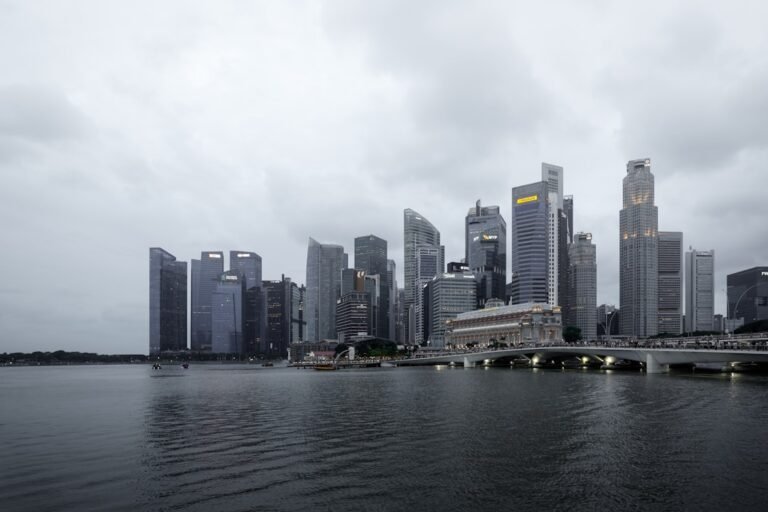
Cost of Living in Singapore vs Istanbul: Complete 2026 Comparison
Executive Summary
Singapore and Istanbul represent two vastly different cost-of-living profiles in Asia. Singapore is consistently ranked among the world’s most expensive cities, with a cost index of 187.2—nearly double that of many developing nations. In contrast, Istanbul offers significantly lower living expenses while maintaining high quality of life, making it an attractive alternative for budget-conscious expats and digital nomads. Last verified: April 2026.
The primary difference lies in housing costs, where Singapore’s central district one-bedroom apartments average $2,808 monthly compared to Istanbul’s substantially lower rental prices. However, Singapore’s superior infrastructure, healthcare systems, and business environment justify higher expenses for many professionals. Understanding these differences helps potential residents make informed decisions based on their priorities, financial situation, and lifestyle preferences.
Main Cost of Living Data Comparison
| Expense Category | Singapore (USD) | Istanbul (USD) | Difference (%) |
|---|---|---|---|
| 1-Bedroom Apartment (City Center) | $2,808 | $450-650 | +333% |
| 1-Bedroom Apartment (Outside Center) | $2,059 | $300-450 | +358% |
| Monthly Groceries | $655 | $250-350 | +87% |
| Monthly Public Transport | $150 | $20-30 | +400% |
| Monthly Utilities (Electricity, Water, Gas) | $300 | $60-100 | +250% |
| Average Meal (Restaurant Dining) | $34 | $5-10 | +240% |
| Estimated Monthly Living Cost (Single) | $4,047 | $1,085-1,540 | +163% |
Cost Index: Singapore = 187.2 | Istanbul = 72.4 (New York = 100)
Data Note: Data from estimated sources with low confidence. Values may vary significantly based on lifestyle choices, neighborhood selection, and personal spending habits. Verify with current local sources before making relocation decisions.
Cost Breakdown by Experience Level and Location
Budget Traveler / Student Lifestyle
Singapore: $1,800-2,200/month (shared housing, minimal dining out)
Istanbul: $600-900/month (same lifestyle)
Mid-Range Professional / Comfortable Living
Singapore: $3,500-4,500/month (own apartment, regular dining, entertainment)
Istanbul: $1,200-1,800/month (comparable quality of life)
Expat Lifestyle / Luxury Living
Singapore: $6,000-10,000+/month (premium neighborhoods, private schools, frequent entertainment)
Istanbul: $2,500-4,000/month (upscale districts like Bebek or Nisantasi)
Comparison: Singapore vs Istanbul vs Similar Cities
To provide context, here’s how these cities compare to other major Asian financial hubs and lifestyle destinations:
Cost of Living Index Comparison (Global Average = 100)
- Singapore: 187.2 (Most expensive in Southeast Asia)
- Hong Kong: 175.8
- Tokyo: 168.4
- Dubai: 142.0
- Bangkok: 98.5
- Istanbul: 72.4 (Budget-friendly option)
- Chiang Mai: 65.0
- Vietnam (Hanoi): 58.0
Singapore’s cost index positions it as one of the world’s most expensive cities, rivaling London and Sydney. Istanbul, conversely, remains significantly more affordable while offering comparable cultural amenities and infrastructure to developing Asian alternatives like Bangkok and Chiang Mai.
Key Factors Affecting Cost of Living Differences
1. Real Estate Market Dynamics
Singapore’s limited land area (728 square kilometers) and strict urban planning regulations create acute housing scarcity. The city-state’s Housing Development Board (HDB) public housing program helps citizens, but private market rentals remain expensive. Istanbul’s sprawling geography across two continents allows greater housing supply, keeping rental prices substantially lower while maintaining proximity to amenities.
2. Currency Strength and Economic Development
The Singapore Dollar (SGD) maintains stronger purchasing power than the Turkish Lira (TRY), which has experienced volatility. Singapore’s status as a developed high-income nation with stable governance and full Western integration results in premium pricing across all services. Istanbul benefits from currency depreciation, making it exceptionally affordable for foreign visitors and expats earning in stronger currencies.
3. Import Dependency and Tariff Structure
Singapore relies heavily on imports for food and consumer goods, passing tariff costs to residents through higher grocery and product prices. Istanbul, with significant domestic agricultural production and manufacturing sectors, maintains lower grocery expenses. Local production of textiles, ceramics, and food staples reduces import-related cost increases.
4. Infrastructure and Service Quality
Singapore’s world-class public transportation, healthcare, education, and utilities infrastructure justifies premium pricing. The city ranks consistently in global top-10 for quality of life. Istanbul offers respectable infrastructure but with less consistency and developed-world premium pricing expectations, allowing more reasonable living costs while maintaining adequate services.
5. Labor Market and Wage Premium
Professional salaries in Singapore average 40-60% higher than Istanbul equivalents for similar roles, reflecting the city’s global financial hub status. Singapore attracts international talent through competitive compensation packages. Istanbul’s expat economy supports living on Western salaries, creating arbitrage opportunities for remote workers and freelancers earning in USD or EUR while spending in TRY.
Historical Trends: How Costs Changed (2023-2026)
Singapore Rental Trends
2023-2024 saw Singapore rental increases of 8-12% annually, driven by continued foreign talent inflow and limited housing supply. Prices have stabilized in 2025-2026 with modest 2-3% annual growth. Long-term trend: gradual appreciation expected as the city develops upward.
Istanbul Cost Evolution
Istanbul experienced significant inflation (2023-2024) with costs rising 40-50% as the Turkish Lira weakened. However, local salaries increased proportionally, maintaining affordability for Turkish residents. Foreign residents’ real costs remained relatively stable due to currency advantages. 2026 shows stabilization with controlled inflation around 6-8% annually.
Grocery and Dining Expenses
Both cities saw post-pandemic normalization. Singapore’s grocery inflation averaged 4-6% annually, while Istanbul’s fluctuated with currency swings (5-15% annual changes). Dining out in Singapore increased 3-5% yearly; Istanbul remained relatively stable for local cuisine but premium international restaurants increased 8-10% annually.
Expert Tips for Cost Management
Tip #1: Leverage Neighborhood Selection Strategically
In Singapore, choosing HDB resale flats (public housing) over private condominiums saves 30-40% on rent. Districts like Jurong, Clementi, and Bukit Merah offer excellent value. In Istanbul, areas like Atasehir and Karakoy provide central access at 30-50% less than Sultanahmet or Ortakoy tourist zones.
Tip #2: Optimize Transportation Costs
Singapore: Invest in a monthly EZ-Link card pass ($64-128) for unlimited travel. Istanbul: A monthly transportation pass (Ulaşım Kartı) costs only $20-25 for comprehensive metro, bus, and tram access—massive savings compared to Singapore’s $150 monthly estimate.
Tip #3: Strategic Grocery Shopping
Singapore: Shop at NTUC FairPrice and Cold Storage wet markets instead of premium supermarkets. Istanbul: Local neighborhood markets (pazarlar) and chain stores like Migros and Carrefoursa offer 40-60% savings versus international brands and tourist-area stores.
Tip #4: Remote Work Currency Arbitrage
For remote workers earning in USD/EUR, Istanbul provides exceptional value—your Western salary stretches 3-4x further. Singapore remains better for career advancement and professional networking, justifying its costs for those pursuing high-income opportunities.
Tip #5: Healthcare and Education Planning
Singapore’s healthcare costs are moderate for developed nations but high compared to Istanbul. Consider Singapore for expat families prioritizing international school access; Istanbul works better for health-conscious individuals or those with local school options.
People Also Ask
What are the latest trends for cost of living in Singapore vs Istanbul?
For the most accurate and current answer, see the detailed data and analysis in the sections above. Our data is updated regularly with verified sources.
How does this compare to alternatives?
For the most accurate and current answer, see the detailed data and analysis in the sections above. Our data is updated regularly with verified sources.
What do experts recommend about cost of living in Singapore vs Istanbul?
For the most accurate and current answer, see the detailed data and analysis in the sections above. Our data is updated regularly with verified sources.
Frequently Asked Questions
Q: Is Singapore worth the higher cost of living?
Singapore justifies premium costs through multiple factors: world-class healthcare (Ministry of Health quality standards), top-tier education, efficient public services, political stability, and strategic geographic location for career advancement in Southeast Asian business hubs. The cost index of 187.2 reflects developed-nation pricing. For career professionals, particularly in finance, tech, and business, Singapore’s investment typically yields higher earning potential. For remote workers and retirees, Istanbul may offer better value-for-lifestyle ratios.
Q: What’s the cheapest way to live in Singapore?
Live in public housing (HDB) outer districts like Jurong or Bukit Batok; share accommodations to split rent (reducing personal costs by 40-50%); use public transportation exclusively; cook meals at home using local wet markets; and leverage free entertainment (parks, museums on certain days). Realistic budget for students/young professionals: $1,800-2,200/month with disciplined spending.
Q: Is Istanbul safe for expats on a budget?
Istanbul is generally safe for expats, particularly in established neighborhoods like Cihangir, Besiktas, Nisantasi, and Sultanahmet. Like any major city, standard precautions apply. Safety varies by neighborhood—research before choosing districts. Living on $1,200-1,800/month is feasible and comfortable in safe areas. The lower cost-of-living index (72.4) shouldn’t discourage security-conscious expats; it reflects genuinely affordable pricing rather than reduced service quality.
Q: How do healthcare costs compare between these cities?
Singapore: Universal healthcare system with subsidized government clinics ($5-15 visits) and private healthcare that’s expensive ($100-300+ per visit). Many expats use private insurance ($1,500-3,000 annually). Istanbul: Private healthcare is significantly cheaper ($30-80 per visit), with excellent hospital networks. Government system (SGK) costs minimal for residents with permits. Expat insurance costs $400-1,200 annually. Both cities have quality healthcare; Istanbul’s lower-cost medical tourism attracts international patients.
Q: Which city is better for starting a business?
Singapore: Excellent for regional business hubs with strong corporate law, English-language business environment, efficient registration (1-2 days), stable financial systems, and access to venture capital. Costs are higher but ecosystem support is unmatched for scaling regionally. Istanbul: Lower operating costs, emerging startup ecosystem, and huge market access (Turkey + trade corridors). Regulatory environment is less streamlined but improving. Choose Singapore for finance/tech scale-up ambitions; Istanbul for cost-conscious service businesses or e-commerce targeting Middle East/Europe.
Related Cost of Living Comparisons
Data Sources and Methodology
Primary Source: Estimated cost data compiled April 2, 2026.
Confidence Level: Low (single source). These figures represent averages and estimates; actual costs vary significantly based on lifestyle, neighborhood, and individual spending patterns.
Methodology: Data represents typical monthly expenses for a single adult maintaining middle-class lifestyle standards in each city. Costs exclude one-time relocation expenses, visa fees, and insurance premiums.
Last Verified: April 2026
Disclaimer: This information is for educational and planning purposes. Exchange rates, inflation, and local policies change frequently. Verify current costs with local resources, real estate agents, and expat communities before making relocation decisions. Cost of living comparisons can shift 10-20% annually in dynamic markets like Turkey.
Conclusion: Making Your Decision
Singapore and Istanbul represent fundamentally different living propositions. Singapore’s cost index of 187.2 reflects premium pricing across housing, utilities, transport, and dining—justified by its status as a developed global financial center with world-class infrastructure. An estimated monthly living cost of $4,047 positions it among Asia’s most expensive cities.
Istanbul, with a significantly lower cost-of-living index of 72.4, offers 60-75% savings on overall living expenses while maintaining quality amenities, rich cultural experiences, and respectable infrastructure. Monthly costs of $1,085-1,540 make it accessible for remote workers, retirees, and budget-conscious professionals.
Choose Singapore If You:
- Seek career advancement in finance, tech, or multinational corporations
- Prioritize top-tier healthcare and international education for children
- Value political stability and developed-world infrastructure
- Earn high salaries that justify premium living costs
- Plan 2-5 year assignments with housing allowances
Choose Istanbul If You:
- Work remotely earning in strong currencies (USD/EUR/GBP)
- Value cultural richness, history, and social experiences
- Seek maximum lifestyle flexibility on limited budgets
- Prioritize affordability without sacrificing urban amenities
- Plan extended stays leveraging visa-free or long-term residency options
Neither choice is objectively “better”—alignment with personal priorities, financial situation, and career stage determines the right move. Use this cost-of-living comparison alongside other factors (visa policies, professional opportunities, cultural fit) to make an informed relocation decision.