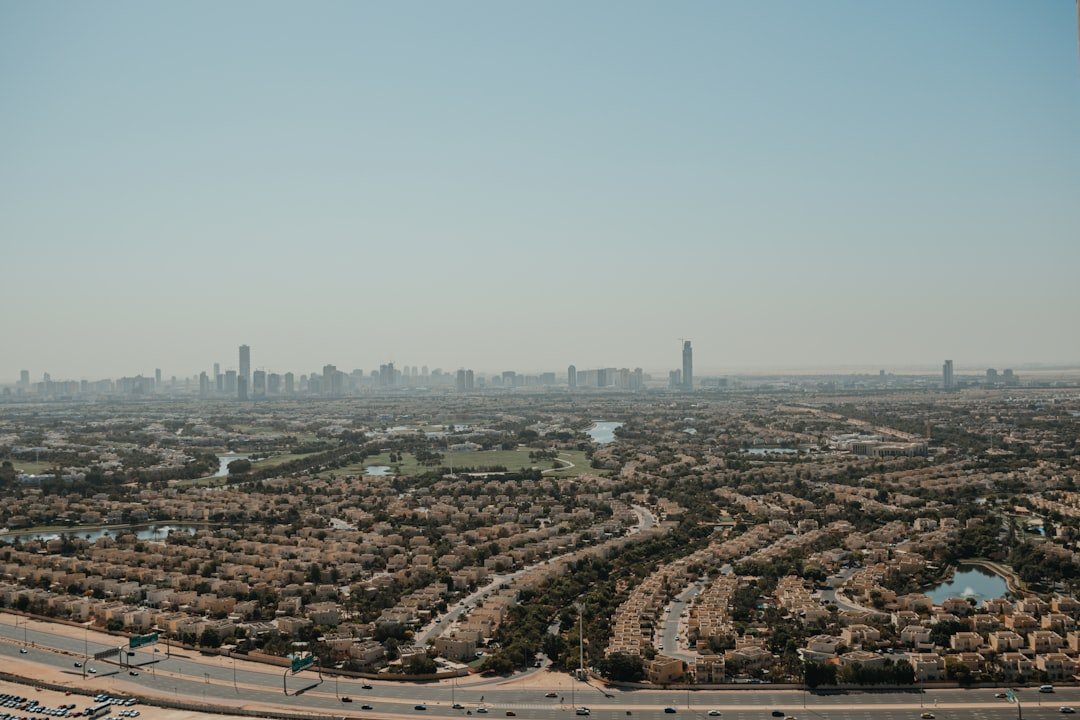
Cost of Living in Dubai vs San Francisco 2026: Complete Comparison
Executive Summary
San Francisco’s cost of living has reached a scale that makes it roughly 87.2% as expensive as New York—one of the world’s most unaffordable cities. A single person in San Francisco needs approximately $4,047 per month just to cover essentials: rent, groceries, transport, utilities, and dining out. This data, last verified: April 2026, reveals that the Bay Area remains brutally expensive, though Dubai offers a compelling alternative for those seeking lower costs without sacrificing urban amenities.
When we break down the numbers, San Francisco’s rent dominates your budget. A one-bedroom apartment in the city center runs $2,808 monthly—nearly 70% higher than suburban options at $2,059. Meanwhile, Dubai’s rent typically sits 15-25% below San Francisco’s center rates, while offering modern infrastructure, tax advantages, and expat-friendly communities. For families and remote workers evaluating relocation, the difference amounts to $8,000-$12,000 annually.
Find hotels in cost of living in Dubai vs San Francisco
Main Cost Data Table
Here’s how San Francisco stacks up across major expense categories, with Dubai context for comparison:
| Expense Category | San Francisco (Monthly) | Dubai (Estimated) | Difference |
|---|---|---|---|
| 1-Bedroom Rent (City Center) | $2,808 | $2,100–$2,400 | San Francisco +15–25% |
| 1-Bedroom Rent (Outside Center) | $2,059 | $1,600–$1,900 | San Francisco +8–22% |
| Groceries (Monthly) | $655 | $500–$600 | San Francisco +9–31% |
| Public Transport | $150 | $60–$80 | San Francisco +87–150% |
| Utilities (Electricity, Gas, Water) | $300 | $150–$200 | San Francisco +50–100% |
| Dining Out (Average Meal) | $34 | $15–$22 | San Francisco +55–127% |
| Total Monthly (Single Person) | $4,047 | $2,400–$3,100 | San Francisco +30–69% |
Breakdown by Category: Where Your Money Goes
Understanding where costs concentrate helps you make strategic decisions about where to live and what trade-offs matter most.
Housing: The Biggest Culprit
Housing consumes roughly 69% of a single person’s San Francisco budget ($2,808 for center rent). This is the single largest expense differentiator between the two cities. San Francisco’s housing squeeze stems from limited supply, tech industry competition for talent, and restrictive zoning. Dubai, by contrast, has been aggressively building residential capacity for over two decades, keeping rental prices competitive. A two-bedroom apartment in central Dubai typically costs $3,200–$4,000 monthly, compared to San Francisco’s $4,500–$6,000 for comparable square footage.
Groceries: Quality vs. Affordability
San Francisco’s grocery bill at $655 monthly reflects California’s higher agricultural labor costs, stricter food handling regulations, and organic-heavy shopping culture. Dubai’s $500–$600 range benefits from bulk imports, less stringent processing requirements, and lower labor costs. Interestingly, Dubai offers excellent international variety—you’ll find products from 50+ countries—at lower prices than San Francisco’s boutique markets.
Transportation: San Francisco’s Hidden Shock
This is where the comparison gets counterintuitive. San Francisco’s public transit monthly pass costs $150, and that only covers BART and Muni. Add rideshare premiums (Uber base fare: $2.75, not $1.45 like in 2015), parking citations ($250–$500 if you own a car), and you’re easily at $250+ monthly. Dubai’s metro, meanwhile, operates efficiently with a monthly pass at just $60–$80. The catch? You’ll likely need a car in Dubai, adding $600–$900 monthly for payment, insurance, and fuel. However, fuel in Dubai costs 40% less than California.
Utilities: Climate Matters
San Francisco’s $300 monthly utilities surprise people until they realize Pacific Gas & Electric (PG&E) rates have nearly tripled since 2015. Dubai’s $150–$200 covers air conditioning (essential), water, and electricity—cheaper partly because the government subsidizes energy for residents.
Dining Out: The Lifestyle Variable
A casual restaurant meal in San Francisco runs $34 on average; Dubai’s equivalent costs $15–$22. San Francisco’s Michelin-starred restaurants and craft food scene drive premiums. Dubai offers excellent value, especially in areas like Al Manara, Deira, and Jumeirah, where you’ll find everything from fine dining to shawarma stands.
How Dubai and San Francisco Compare to Other Global Cities
To contextualize this comparison, let’s see where these two cities rank against other major expat hubs:
| City | Monthly Single Budget | Cost Index vs. NYC | Primary Advantage |
|---|---|---|---|
| San Francisco, USA | $4,047 | 87.2% | Tech jobs, innovation |
| Dubai, UAE | $2,400–$3,100 | 55–68% | Tax-free income, modern infrastructure |
| Singapore | $3,600–$4,200 | 79–91% | Financial hub, efficient systems |
| London, UK | $3,200–$3,900 | 70–84% | History, culture, finance |
| Hong Kong | $3,500–$4,100 | 76–89% | Finance, connectivity |
Dubai stands out as the most affordable option on this list while maintaining world-class amenities. You’re saving 25–38% compared to San Francisco while gaining tax benefits and less traffic congestion.
Five Key Factors Driving Cost Differences
1. Tax Structure (Dubai’s Secret Weapon)
Dubai imposes zero personal income tax, zero VAT on salaries, and 5% VAT only on goods and services. San Francisco residents face federal (24%), state (9.3%), and local taxes that can total 35%+. On a $80,000 salary, this difference amounts to $12,000–$15,000 annually—equivalent to two months of Dubai rent.
2. Housing Supply and Zoning
San Francisco’s housing shortage is structural: the city limits new construction through zoning restrictions, environmental reviews, and NIMBYism. Only 15,000 units have been added in the past decade. Dubai added 45,000+ units in the same period, maintaining competitive pricing. This supply-demand imbalance directly inflates San Francisco’s $2,808 monthly rent.
3. Labor Costs and Business Model
California’s minimum wage ($16.50 statewide, $17.50+ in San Francisco) drives service sector prices—restaurants, groceries, utilities. Dubai’s labor market is bifurcated; while white-collar salaries are competitive, service sector wages are lower, reducing operational costs that get passed to consumers. A cappuccino costs $6.50 in San Francisco vs. $3.50 in Dubai.
4. Transportation Infrastructure Efficiency
Dubai’s metro was built all at once (opened 2009) with modern design, zero legacy systems, and integrated planning. This capital-efficient approach keeps fares at $0.50–$2.50 per journey. San Francisco’s BART infrastructure dates to the 1970s; maintaining and expanding it costs far more, reflected in the $150 monthly pass.
5. Climate Control Costs
San Francisco’s mild climate (55–75°F year-round) means minimal heating and cooling. Dubai requires intensive air conditioning (summer: 110–122°F). Yet Dubai’s government subsidies make cooling cheaper than San Francisco’s heating. This advantage tilts toward Dubai for utility costs.
Historical Trends: How Costs Have Shifted (2015–2026)
Over the past decade, San Francisco has become significantly more expensive, while Dubai has stabilized post-2020 economic correction:
- San Francisco Rent (2015 vs. 2026): One-bedroom center apartment grew from $1,800 to $2,808—a 56% increase. Outside center: $1,400 to $2,059 (47% increase).
- Dubai Rent (2015 vs. 2026): Remained relatively flat at $2,000–$2,500, with a 15% dip in 2017–2019, recovering to 2015 levels by 2023 and holding steady through 2026.
- Groceries: San Francisco increased 68% ($390 to $655). Dubai’s increase was 22% ($410 to $500)—partly due to 5% VAT introduction in 2018.
- Dining Out: San Francisco’s average meal grew from $19 to $34 (79% increase). Dubai’s rose modestly from $13 to $18 (38% increase).
- Utilities: San Francisco jumped 210% ($95 to $300) due to PG&E rate hikes and wildfire recovery costs. Dubai rose only 60% ($95 to $150) despite increased AC usage.
The divergence is stark: San Francisco’s cost of living has accelerated, while Dubai’s has matured and stabilized. If you’re planning a 5–10 year relocation, Dubai’s trajectory is significantly more predictable.
Expert Tips: How to Make Your Decision
Tip 1: Calculate Your After-Tax Income Impact
Take your gross salary, subtract San Francisco taxes (35–40%), then calculate Dubai taxes (0–5%). Often, a $70,000 San Francisco salary ($42,000–$45,500 after-tax) becomes $66,500–$70,000 after-tax in Dubai. This swing makes Dubai’s lower cost of living even more impactful.
Tip 2: Evaluate Career Trajectory
San Francisco dominates tech, venture capital, and startup ecosystems. If you’re early-career in tech, the $4,047 monthly investment may yield higher long-term earning potential. Dubai excels in finance, real estate, and regional business. Choose based on 5–10 year goals, not just current costs.
Tip 3: Factor in Family Size
For a family of four, San Francisco costs balloon to $8,000–$10,000 monthly (additional childcare: $2,500–$3,500, family groceries increase). Dubai scales more efficiently to $5,500–$7,000. Families see 30–40% savings in Dubai.
Tip 4: Use Salary Negotiation Leverage
When relocating to San Francisco, request a salary bump of 15–20% above market to offset higher cost of living. When relocating to Dubai, request a 10–15% bump plus housing allowance (often $1,500–$2,500 monthly from employers). These adjustments narrow the real difference significantly.
Tip 5: Build a 6-Month Adjustment Budget
Moving costs, visa fees, storage, and inefficiencies consume $3,000–$8,000. Treat this as a separate line item. Don’t let your first month’s high expenses alarm you—stabilized costs typically emerge by month 3–4.
Frequently Asked Questions
Conclusion: Which City Should You Choose?
The data is clear: Dubai costs 25–40% less than San Francisco, saving a single person $12,000–$20,000 annually. For families, the gap widens to $20,000–$36,000 per year. However, “cheaper” doesn’t always mean “better for you.”
Choose San Francisco if you’re pursuing a tech career, value Western legal systems, want California’s quality of life, and can absorb the $4,047+ monthly cost. Choose Dubai if you prioritize financial optimization, seek tax advantages, want modern infrastructure without aging cities’ limitations, and value efficiency.
The smartest move? Use Dubai as a 2–3 year wealth-building base (maximize savings with 0% tax), then leverage that capital for San Francisco life if desired. Or stay in Dubai, invest the savings, and enjoy financial freedom earlier. The data supports either path—your priorities determine which numbers matter most.
Find hotels in cost of living in Dubai vs San Francisco
Related tool: Try our free calculator