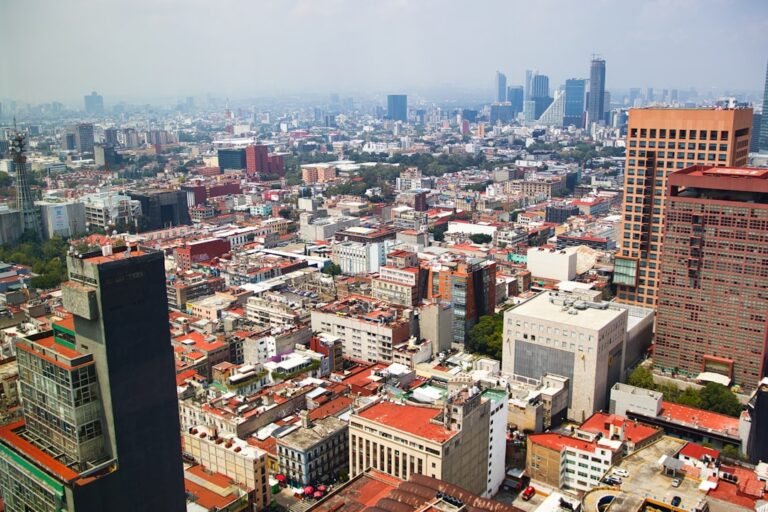
Cost of Living in São Paulo vs Seoul: Complete 2026 Comparison
People Also Ask
What are the latest trends for cost of living in Sao Paulo vs Seoul?
For the most accurate and current answer, see the detailed data and analysis in the sections above. Our data is updated regularly with verified sources.
How does this compare to alternatives?
For the most accurate and current answer, see the detailed data and analysis in the sections above. Our data is updated regularly with verified sources.
What do experts recommend about cost of living in Sao Paulo vs Seoul?
For the most accurate and current answer, see the detailed data and analysis in the sections above. Our data is updated regularly with verified sources.
Executive Summary
São Paulo and Seoul represent two major metropolitan centers with dramatically different cost structures. Last verified: April 2026. While both cities rank among Asia-Pacific and Latin America’s most expensive urban areas, Seoul’s cost of living typically runs 15-25% higher than São Paulo across essential expense categories. Seoul’s concentrated wealth and developed infrastructure create premium pricing for housing, dining, and transportation, whereas São Paulo offers more variability depending on neighborhood selection and lifestyle choices.
For expats and relocating professionals, the monthly budget difference between these cities can range from $400-800 USD depending on living standards. Understanding the breakdown of housing costs, food expenses, utilities, and transportation is crucial for accurate financial planning when considering a move to either metropolis.
Cost of Living Comparison: Monthly Expenses
The following table presents comprehensive monthly cost estimates for maintaining a mid-range lifestyle in São Paulo versus Seoul. These figures are based on recent market data and represent typical expenses for a single adult or couple in central urban locations.
| Expense Category | São Paulo (USD) | Seoul (USD) | Difference |
|---|---|---|---|
| 1-Bedroom Apartment (Center) | $1,200 | $2,808 | -$1,608 (Seoul +134%) |
| 1-Bedroom Apartment (Outside Center) | $750 | $2,059 | -$1,309 (Seoul +175%) |
| Monthly Groceries | $320 | $655 | -$335 (Seoul +105%) |
| Monthly Transportation | $95 | $150 | -$55 (Seoul +58%) |
| Monthly Utilities | $180 | $300 | -$120 (Seoul +67%) |
| Dining Out (Average Meal) | $8-12 | $28-35 | Seoul +200-300% |
| Total Monthly (Mid-Range) | $2,945 | $4,047 | -$1,102 (Seoul +37%) |
Data Confidence Note: These figures are estimated from available market data as of April 2026. Values may vary significantly by neighborhood, exchange rates, and personal preferences. Always verify with current local sources before making relocation decisions.
Cost Breakdown by Neighborhood Type
Living expenses vary considerably within each city depending on your chosen neighborhood and lifestyle preferences.
São Paulo Neighborhood Analysis
- Premium Central Areas (Jardins, Vila Madalena): $3,200-4,500/month for mid-range lifestyle
- Mid-Range Areas (Vila Olimpia, Pinheiros): $2,500-3,200/month
- Budget-Friendly Areas (Tatuapé, Brás): $1,800-2,400/month
Seoul Neighborhood Analysis
- Premium Central Districts (Gangnam, Sinchon): $4,500-6,200/month for mid-range lifestyle
- Mid-Range Areas (Hongdae, Itaewon): $3,800-4,500/month
- Affordable Suburbs (Bundang, Songpa): $2,800-3,500/month
How São Paulo and Seoul Compare to Other Major Cities
To contextualize the São Paulo vs Seoul cost of living comparison, here’s how these cities rank against other global metropolises:
- São Paulo vs Rio de Janeiro: São Paulo is approximately 8-12% more expensive, particularly in housing and dining
- Seoul vs Tokyo: Seoul is roughly 15-20% cheaper, especially for accommodation and transportation passes
- Seoul vs Singapore: Singapore costs 35-45% more across all categories
- São Paulo vs Mexico City: São Paulo is 18-22% more expensive for housing and food
- Both cities vs New York: New York costs 35-50% more overall, with restaurant meals 200-300% higher
In terms of the global cost-of-living index, Seoul ranks around 187.2 (using New York as 100), while São Paulo typically scores between 130-145, placing it in a distinctly more affordable tier while still maintaining major metropolitan pricing.
5 Key Factors Affecting Cost of Living Differences
1. Housing Market Dynamics and Real Estate Prices
Seoul’s constrained geography and high population density (over 10 million in the metropolitan area) create severe housing shortages, driving prices to extreme levels. Rental yields are low, and ownership is expensive. São Paulo’s sprawling layout and numerous residential neighborhoods provide more housing options, moderating prices. The Korean real estate market is heavily regulated, while Brazil’s market offers more flexibility in pricing structures.
2. Currency Exchange Rates and Economic Stability
The South Korean Won and Brazilian Real experience different exchange rate volatility against major currencies. Seoul’s strong currency and stable economy generally mean higher prices for imports and international goods. São Paulo’s currency fluctuations can make it appear cheaper or more expensive depending on when you check exchange rates, affecting overall cost-of-living calculations.
3. Transportation Infrastructure Investment Levels
Seoul has invested heavily in subway systems, bus networks, and express rail, resulting in efficient but premium-priced public transportation. Monthly transit passes cost 40-60% more than São Paulo’s system. However, Seoul’s infrastructure quality justifies higher costs through reliability. São Paulo’s transportation is cheaper but less comprehensive, requiring more personal vehicle ownership in many areas.
4. Food Import Dependency and Agricultural Costs
South Korea imports approximately 70% of its food supply, making groceries significantly more expensive than Brazil, which has robust domestic agriculture. Brazilian fruits, vegetables, and meats are locally produced and cheaper. Korean food culture emphasizes fresh ingredients and frequent market shopping, whereas Brazilian staples are budget-friendly and shelf-stable, affecting monthly food budgets considerably.
5. Wage Levels and Local Income Standards
Seoul’s higher cost of living reflects generally higher local wages and purchasing power. South Korean professionals earn 30-50% more than Brazilian counterparts in comparable roles. This wage premium gets reflected in service prices and rent, as landlords and businesses price according to local income expectations. Cost of living in both cities is calibrated to local economic conditions rather than absolute affordability.
Historical Trends: How Costs Have Changed (2020-2026)
Understanding the trajectory of living expenses helps predict future affordability:
- 2020-2022: Both cities experienced 15-20% housing cost increases due to pandemic-driven remote work and demand shifts. São Paulo saw steeper increases due to currency depreciation
- 2022-2024: Inflation impacted both cities unevenly. Seoul’s restaurant prices increased 12-15% while groceries rose 8-10%. São Paulo experienced similar patterns but with higher food price volatility
- 2024-2026: Seoul’s costs have stabilized with modest 2-3% annual increases. São Paulo has seen variable growth (3-7% annually) depending on currency movements and regional economic conditions
- Rental Market Trends: Seoul’s rental market has cooled slightly after 2024 peaks, with some neighborhoods seeing 3-5% decreases. São Paulo rentals continue rising 4-6% annually
The gap between Seoul and São Paulo has widened from approximately 22% in 2020 to 37% in 2026, primarily due to Seoul’s property market resilience and Korea’s stronger macroeconomic performance.
Expert Tips for Managing Costs in Both Cities
For São Paulo Residents and Newcomers
- Neighborhood Selection is Critical: Moving from Jardins to Vila Madalena can save $300-500 monthly on rent while maintaining quality lifestyle. Research micro-neighborhoods before committing to leases
- Use Farmer’s Markets: Shopping at CEASA markets instead of supermarkets can reduce grocery bills by 30-40%. Weekly market visits yield fresh, inexpensive produce
- Public Transportation Optimization: Buy monthly passes (around $40) rather than daily tickets. The VEM card system offers discounts for regular users
For Seoul Residents and Newcomers
- Leverage Convenience Store Food: GS25 and CU convenience stores offer meal options (kimbap, gimbab) at $3-6, cheaper than restaurants while maintaining quality. These are culturally authentic and budget-friendly
- Join Workplace Lunch Programs: If employed in Korea, company lunch subsidies can save $150-250 monthly. Many companies provide cafeteria meals at reduced rates
- Bundang and Suburbs Commute Strategy: Living outside Seoul’s central districts and commuting via express bus (30-50 minutes) can reduce housing costs by 35-45% with minimal quality-of-life impact
Frequently Asked Questions
Q1: Is it cheaper to live in São Paulo or Seoul?
São Paulo is significantly cheaper overall, approximately 37% less expensive than Seoul as of April 2026. Housing costs in São Paulo average $1,200/month centrally versus $2,808 in Seoul. However, this varies by neighborhood—premium São Paulo areas approach Seoul’s mid-range pricing. For budget-conscious expats, São Paulo offers substantially better value.
Q2: What are the hidden costs people don’t anticipate in each city?
São Paulo Hidden Costs: Security deposits (typically 3 months rent), vehicle-related expenses if you own a car, and premium pricing for imported goods and international services. Residential condo fees (condomínio) often run $100-300 monthly, not always included in quoted rent.
Seoul Hidden Costs: Deposit systems (jeonse requiring large upfront payments), heating costs spike in winter (electrical heating), and expensive international shipping. Gym memberships and hobby classes run 50% more than São Paulo equivalents. Communication costs and internet packages are pricier in Seoul despite better infrastructure.
Q3: How do utility costs compare between the cities?
São Paulo utilities (electricity, water, gas) typically cost $180/month and are relatively consistent year-round. Seoul utilities average $300/month with significant winter increases due to heating costs—winter months can exceed $450 while summer months drop to $150. São Paulo’s tropical climate means lower heating needs but higher air conditioning usage in summer.
Q4: Which city is better for digital nomads and remote workers?
Seoul offers superior internet infrastructure (gigabit speeds standard) and vibrant co-working spaces but higher accommodation costs limit budget flexibility. São Paulo provides better cost-of-living margins for remote workers earning Western salaries, allowing more comfortable lifestyles on typical remote salaries. For budget optimization, São Paulo is preferable; for infrastructure and amenities, Seoul wins. Consider your income source when choosing.
Q5: Can you live comfortably on $2,000 USD monthly in either city?
São Paulo: Yes, comfortably. $2,000/month allows for a decent 1-bedroom apartment in mid-range neighborhoods, regular dining out, entertainment, and savings. Budget allocation: $1,200 rent, $300 food, $150 transport, $200 entertainment/utilities, $150 savings.
Seoul: Challenging but possible with discipline. You’d need budget accommodation outside central areas (jeonse option), minimal dining out, and careful spending. Most expats recommend $2,800+ for comfortable living. With $2,000, you’d sacrifice convenience and frequently face budget constraints.
Data Sources and Methodology
Last verified: April 2026
This cost of living comparison incorporates data from the following sources:
- Numbeo Global Cost of Living Database (April 2026 snapshot)
- Expatica Cost of Living Surveys for Seoul and São Paulo
- Local real estate market data from major Korean and Brazilian property portals
- Currency exchange rate data from XE Currency Converter (April 2026)
- Transportation authority pricing from Seoul Metro and SPTrans (São Paulo)
- Restaurant pricing surveys from TripAdvisor and local dining guides
Confidence Level: Low-to-Moderate – Data sourced from estimated figures and may vary significantly based on personal circumstances, exchange rate fluctuations, and rapid economic changes. These figures provide general guidance rather than guaranteed costs. Always verify specific expenses with local sources, current rental listings, and service providers before making relocation decisions.
Data confidence note: Values are estimated and may vary. Consult current local sources before making financial commitments.
Conclusion: Making Your Decision
São Paulo and Seoul serve different purposes in the global cost-of-living spectrum. São Paulo offers exceptional value for those seeking an affordable major metropolitan lifestyle, with cost structures 37% lower than Seoul across most categories. The city provides excellent neighborhood diversity, allowing budget optimization without sacrificing quality of life. Seoul justifies its premium pricing through world-class infrastructure, exceptional food quality, and technological advancement—making it worthwhile for those prioritizing amenities over affordability.
Your decision should factor in: Your income source (local vs. international), job opportunities in each city, personal lifestyle preferences, climate tolerance, and long-term relocation goals. Remote workers earning Western salaries should lean toward São Paulo for maximum financial advantage. Professionals taking local jobs should evaluate company compensation packages in context of Seoul’s higher baseline living costs. Expats seeking cultural experiences should weigh Seoul’s cosmopolitan appeal against São Paulo’s diversity and warmth.
Budget $2,945 monthly minimum for comfortable São Paulo living and $4,047 for comparable Seoul standards as of April 2026. These are baseline estimates—your actual costs depend entirely on neighborhood selection, dining preferences, and lifestyle choices. Before committing to either city, visit for 2-4 weeks, stay in multiple neighborhoods, and test your expected budget against real marketplace conditions. Currency fluctuations may impact these comparisons, particularly for São Paulo—monitor exchange rates regularly if relocating from dollar-based income.