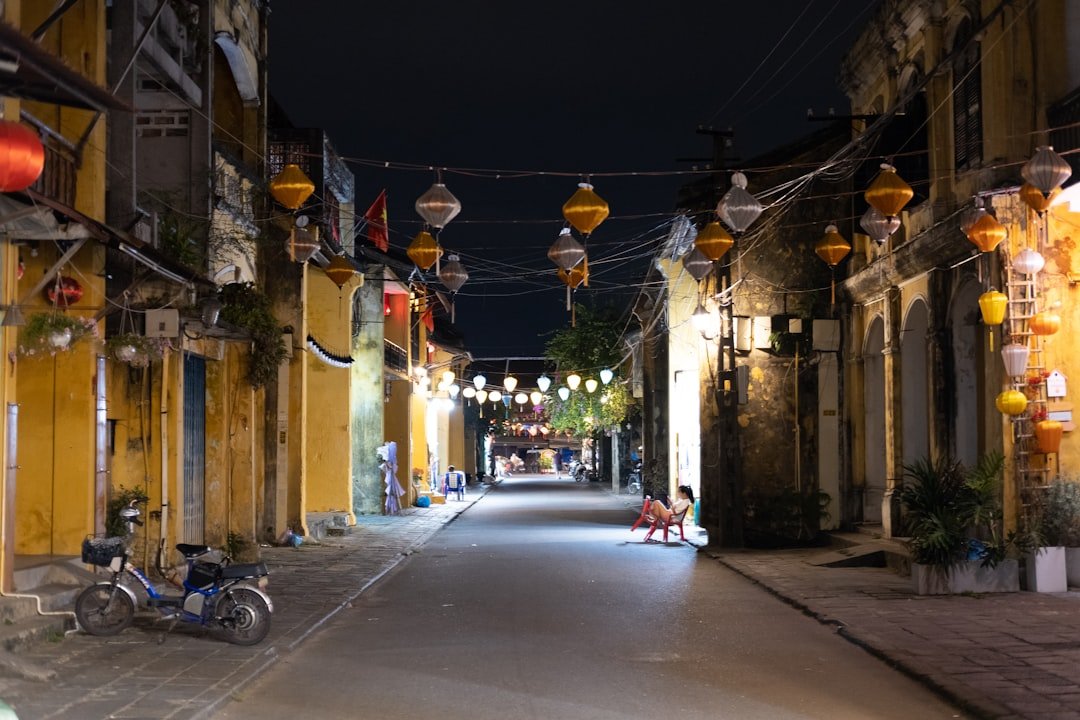
Cost of Living in Hanoi Vietnam 2026
A single person living in Hanoi can survive on $8 to $12 per day, making Vietnam’s capital roughly 40% cheaper than Ho Chi Minh City and substantially more affordable than Southeast Asian alternatives like Bangkok or Chiang Mai. Last verified: April 2026.
Executive Summary
| Category | Monthly Cost (USD) | Daily Cost (USD) | Budget Level |
|---|---|---|---|
| Accommodation (Shared Dorm) | $60-$120 | $2-$4 | Backpacker |
| Food (Local Street Vendors) | $90-$150 | $3-$5 | Budget |
| Transportation (Monthly Pass) | $10-$15 | $0.33-$0.50 | Budget |
| Utilities (Electricity, Water) | $15-$25 | $0.50-$0.83 | Budget |
| Leisure & Dining Out | $40-$80 | $1.33-$2.67 | Moderate |
| Total Monthly | $215-$390 | $7.17-$13 | Combined |
How Hanoi Stacks Against Ho Chi Minh City
Hanoi maintains a significant price advantage over Ho Chi Minh City across nearly every expense category. The capital’s quieter neighborhoods and lower tourism saturation mean landlords haven’t pushed rents to southern levels. A shared dorm bed in Hanoi’s Old Quarter costs $2.50-$4 nightly, while the same accommodation in Ho Chi Minh’s District 1 runs $4-$6. This 33% difference compounds dramatically over extended stays.
Food prices diverge even more sharply between the two cities. A bowl of phở in central Hanoi costs 30,000-40,000 Vietnamese Dong ($1.20-$1.60), whereas identical bowls in Ho Chi Minh City tourist areas command 60,000-80,000 Dong ($2.40-$3.20). Students eating exclusively from street vendors spend roughly $3 daily in Hanoi compared to $4.50 in the southern metropolis. Beers at local shops cost 10,000-15,000 Dong ($0.40-$0.60) in Hanoi versus 20,000-30,000 Dong ($0.80-$1.20) in Ho Chi Minh.
Transportation efficiency strengthens Hanoi’s budget appeal. The city’s bus network charges passengers just 5,000-7,000 Dong ($0.20-$0.28) per trip, significantly cheaper than Ho Chi Minh’s 10,000 Dong base fare. Monthly bus passes cost $10-$12 in Hanoi versus $15-$18 in the south. Motorcycle taxis (Grab bikes) average 15,000-25,000 Dong ($0.60-$1) per kilometer across Hanoi, undercutting southern rates by 20-25%.
The gap narrows slightly when considering accommodation quality and foreign-oriented amenities. Serviced apartments with private bathrooms rent for $200-$250 monthly in Hanoi’s mid-range areas, only 15-20% below Ho Chi Minh’s comparable units. However, students and backpackers prioritizing budget maximization find Hanoi’s dormitory and homestay options substantially more favorable. Overall monthly expenses for backpackers in Hanoi average $240-$350, compared to $350-$480 in Ho Chi Minh City—a 30-35% savings.
| Expense Item | Hanoi (USD) | Ho Chi Minh City (USD) | Hanoi Advantage (%) |
|---|---|---|---|
| Dorm Bed (Nightly) | $2.50-$4 | $4-$6 | 33% |
| Phở Bowl | $1.20-$1.60 | $2.40-$3.20 | 50% |
| Domestic Beer | $0.40-$0.60 | $0.80-$1.20 | 50% |
| Bus Fare (Single) | $0.20-$0.28 | $0.40 | 40% |
| Grab Bike per KM | $0.60-$1 | $0.80-$1.20 | 25% |
| Serviced Apartment | $200-$250 | $240-$290 | 15% |
Detailed Cost Breakdown by Category
| Expense Category | Low Range | Mid Range | High Range | Notes |
|---|---|---|---|---|
| Hostel Dorm Bed | $2 | $3.50 | $5 | Old Quarter pricier; outer areas cheaper |
| Private Room (Budget) | $8 | $15 | $25 | Monthly stays receive 20-30% discounts |
| Apartment (1BR, Local Area) | $120 | $180 | $250 | Excludes prime central locations |
| Street Food Meal | $1 | $1.50 | $2.50 | Includes phở, bánh mì, rice bowls |
| Restaurant Meal (Local) | $2.50 | $4 | $6 | Non-tourist establishments |
| Western Café Coffee | $1.50 | $2.50 | $4 | Expat/tourist-oriented shops |
| Gym Membership | $15 | $25 | $40 | Monthly rates; international chains pricier |
| Movie Ticket | $2.50 | $3.50 | $5 | Cineplex rates; matinees cheaper |
Housing consumes the largest portion of most budgets for long-term residents. Dormitory beds in the Old Quarter average $3.50 nightly but drop to $2-$2.50 in neighborhoods like Cau Giay, Thanh Xuan, and Long Bien. Budget travelers booking 30+ day stays negotiate monthly rates of $50-$80 for private hostel rooms—equivalent to $1.67-$2.67 daily. Students securing homestays through university connections pay $100-$150 monthly, often including basic meal provisions.
Monthly apartment rentals for single occupants range from $120-$180 in residential neighborhoods located 2-3 kilometers from central tourist zones. These unfurnished units typically include one bedroom, basic living space, and a private bathroom. Adding utilities (electricity, water, internet) costs $15-$30 monthly, though air conditioning usage during summer months (May-September) can push electricity bills to $40-$50. Foreign students renting through official university channels often pay $150-$250 for similar accommodations with better maintenance guarantees.
Food expenses separate dramatically based on dining choices. Breakfast from street vendors—bánh mì sandwiches, porridge, or spring rolls—costs $0.50-$1.20 total. Lunch from local shops averages $1.50-$2.50 per meal. Dinner following the same pattern runs $1.50-$2.50, allowing three full meals for $3.50-$6 daily on authentic local food. Adding bottled water (15,000-20,000 Dong/$0.60-$0.80 per liter) and occasional snacks pushes daily food costs to $4.50-$6 for moderate consumers.
Western-oriented dining increases expenses substantially. A cappuccino at international cafés costs $2-$3 versus $0.50-$1 for Vietnamese coffee at local shops. Sit-down restaurant meals in expat neighborhoods average $5-$10 per person compared to $1.50-$3 in local establishments. Beer consumption varies wildly: 330ml cans of Saigon or Tiger beer cost 15,000-25,000 Dong ($0.60-$1) from convenience stores but $1.50-$2.50 at bars with foreign clientele.
Key Factors Influencing Hanoi’s Affordability
1. Proximity to Central Districts Matters Significantly
Location determines pricing more than any other single variable in Hanoi’s housing market. The Old Quarter’s 36 ancient streets generate the city’s highest rents—backpacker hostels charge $3.50-$5 nightly, and 1-bedroom apartments rent for $250-$350 monthly. Moving just 2 kilometers northward to Cau Giay District cuts accommodation costs by 35-45%. Students studying at nearby universities choose neighborhoods like Thanh Xuan and Long Bien where monthly apartment rentals cost $100-$150. The distinction between “central” and “nearby” areas represents a $100-$150 monthly differential for a single person.
2. Vietnamese Currency Stability Creates Predictable Budgeting
The Vietnamese Dong maintains relatively stable exchange rates, rarely fluctuating more than 5-8% annually against the US Dollar. This consistency allows students and backpackers to budget with confidence. From January 2024 through April 2026, the Dong traded between 24,000-25,500 per dollar, enabling accurate monthly expense projections. Travelers planning 6-12 month stays face minimal currency risk compared to destinations with volatile exchanges. Long-term residents benefit from knowing that a $300 monthly budget remains approximately 7.2-7.6 million Dong regardless of month.
3. Student Discounts and University Housing Subsidies Reduce Actual Costs
Hanoi’s major universities—Vietnam National University, Hanoi University of Technology, Foreign Trade University—maintain student housing facilities charging 1.5-3 million Dong monthly ($60-$120). These dormitories offer quality guarantees and included utilities absent from private rentals. International students receive additional support: many programs offer partial housing subsidies reducing personal costs to $40-$80 monthly. Campus cafeterias serve subsidized meals at 20,000-30,000 Dong ($0.80-$1.20) per bowl. Students avoiding private market rentals can reduce monthly expenses to $150-$200 through university resources.
4. Seasonal Variations Shift Monthly Expenses 15-25%
Hanoi’s climate creates expense fluctuations across seasons. During summer months (May-September), air conditioning costs spike electricity bills from $15-$20 to $40-$50 monthly—a 200-250% increase. Conversely, winter heating relies on portable heaters or additional blankets costing minimal electricity. Monsoon season (May-September) increases motorcycle transportation costs due to safety concerns and reduced visibility. Summer months see higher leisure spending as students frequent air-conditioned cafés and shopping malls avoiding outdoor heat. Annual budget planning should allocate an extra $50-$100 during hot months compared to winter periods.
5. Tourist Inflation Impacts Foreign-Oriented Businesses Disproportionately
Hanoi’s 8.7 million residents create powerful price discrimination. Foreign-facing businesses charge 2-3 times standard Vietnamese prices for identical services. A coffee at a local roadside stall costs 20,000 Dong ($0.80), while international chains charge 60,000-80,000 Dong ($2.40-$3.20). This 200-300% markup extends across hospitality sectors. Budget travelers minimizing foreign business patronage reduce costs significantly: staying in Vietnamese hostels instead of internationally-branded chains saves $1-$2 nightly; eating exclusively where locals dine saves $2-$3 daily; purchasing goods at local markets rather than convenience stores saves $5-$10 weekly.
How to Use This Data When Planning Your Move
Tip 1: Build Your Budget on the Mid-Range Figures
Don’t plan around the absolute minimums listed here. The $8-$12 daily budget represents survivalist spending without room for error, illness, or unexpected costs. Realistically, most students and backpackers spending 3+ months in Hanoi operate on $10-$15 daily ($300-$450 monthly), which includes modest social activities, occasional restaurant meals, and safety margins. Planning on the low end creates stress; the mid-range figures account for actual human living patterns. If your budget can only accommodate $250 monthly, Hanoi remains viable through university housing programs, but you’ll skip non-essential spending entirely.
Tip 2: Negotiate Rent Based on Length of Stay and Timing
Monthly apartment rentals drop 20-30% when signed for 3+ months. A unit listed at $200 monthly might negotiate down to $140-$160 for a 6-month commitment. Negotiate further during summer months (May-August) when tourism drops and landlord demand decreases. Avoid negotiating during Tet holidays (late January-early February) or Chinese New Year season when property owners refuse discounts. Start your search 4-6 weeks before arrival rather than last-minute booking, giving you time to visit neighborhoods and secure favorable terms. Foreign landlords managing investment properties negotiate more readily than Vietnamese owners; units listed on international platforms often include built-in discounts for extended stays.
Tip 3: Adopt Vietnamese Consumption Patterns to Maximize Purchasing Power
The single biggest cost-cutting opportunity involves eating where Vietnamese people eat rather than patronizing tourist-oriented establishments. Cooking at home costs even less—basic groceries from local wet markets (eggs, rice, vegetables, meat) average $1.50-$2 daily for a single person’s meals. Purchasing beer from convenience stores instead of bars saves 66-75% per drink. Taking buses instead of Grab taxis saves 60-80% on transportation. Shopping at local markets for clothes, electronics, and goods rather than international retailers saves 40-60%. Students adopting fully local spending patterns reduce monthly costs from $350-$400 to $200-$280 while maintaining comfortable living standards.
Tip 4: Calculate Your Academic Calendar Impact on Seasonal Costs
If your enrollment places holidays during peak tourist season (December, Tet holidays in January-February), plan for higher accommodation rates during your breaks. Universities often close dormitories during extended holidays, forcing temporary relocations to private accommodations at premium rates. Conversely, planning your extended stay during off-peak periods (June-September, October-November) yields 15-25% discounts across hotels and short-term rentals. Coordinate with cohort members to share housing during break periods, dividing costs of 2-bedroom apartments. Some students extend their calendar to remain in university housing rather than returning home during breaks, eliminating relocation expenses entirely.
Frequently Asked Questions About Hanoi’s Cost of Living
Can I Actually Live on $10 Per Day in Hanoi?
Yes, but with significant constraints. A $10 daily budget means $300 monthly, requiring university dormitory housing ($60-$90), street food exclusively ($3-$4 daily), and zero discretionary spending. You’d skip bars, restaurants, movies, gyms, and most leisure activities. This budget works short-term (2-4 weeks) for backpackers but causes frustration during longer stays. Most students report needing $12-$15 daily to avoid constant deprivation—that’s $360-$450 monthly including occasional social activities, medicines, and personal supplies. The $10 daily figure is real but represents minimum survival rather than a comfortable lifestyle.
Is Hanoi Cheaper Than Other Southeast Asian Cities?
Hanoi ranks among Southeast Asia’s most affordable major cities, though not the absolute cheapest. Bangkok, Thailand costs roughly 10-20% more monthly ($330-$550 versus Hanoi’s $240-$400), while Chiang Mai runs